

Central Michigan University Academics: Your Complete Guide to CMU Programs and Degrees
Central Michigan University offers a wide range of undergraduate and graduate programs designed to equip you for successful careers and advanced scholarly work. If you’re exploring your options, you might find it challenging to sift through over 200 academic programs. Families often wonder how CMU’s presence impacts the local housing market. This guide will walk you through the major degrees, how departments are organized, support for graduate students, how student life connects with academics, and how living near CMU can be made easier with help from a local real estate expert. You’ll find detailed program lists, research resources, tips for making decisions, insights into campus life, neighborhood profiles, and emerging trends—all to help you choose your academic path and plan your move.
Explore Central Michigan University's Diverse Academic Offerings
Central Michigan University boasts over 200 undergraduate degrees and more than 100 graduate programs across a variety of fields, ensuring there’s a learning path for every interest and career aspiration. These programs blend solid theoretical knowledge with practical experience, like internships and lab research, to build essential professional skills. For instance, business students undertake management residencies, while education majors gain hands-on experience through classroom practicums. Understanding the breadth of CMU’s offerings helps you see how each field aligns with professional credentials and the job market right here in Central Michigan.
Here’s a quick look at CMU’s main program categories and some examples.
| Program Type | What You’ll Gain | Example Field |
|---|---|---|
| Undergraduate Degrees | Core skills and a bachelor’s degree | Business Administration (BBA) |
| Graduate Programs | Advanced research and specialized expertise | Public Health (MPH) |
| Certificates & Diplomas | Targeted skills for immediate career entry | Cybersecurity Certificate |
This overview helps clarify the core differences, setting the stage to explore which majors are most sought after.
Which Undergraduate Majors Are Most Popular at CMU?
The most popular undergraduate majors at CMU reflect both local demand and the university’s academic strengths. Business Administration is a top choice, focusing on management, marketing, and finance skills crucial for the Mount Pleasant business community. Nursing is a close second, combining clinical practice with community health engagement. Psychology ranks third, offering a blend of social science research and counseling techniques. These fields attract many students due to strong career prospects and dedicated departmental resources.
The popularity of these programs stems from expert faculty, robust internship networks, and proven career success, all of which draw students to these leading majors.
What Graduate Studies and Degree Options Are Available at CMU?
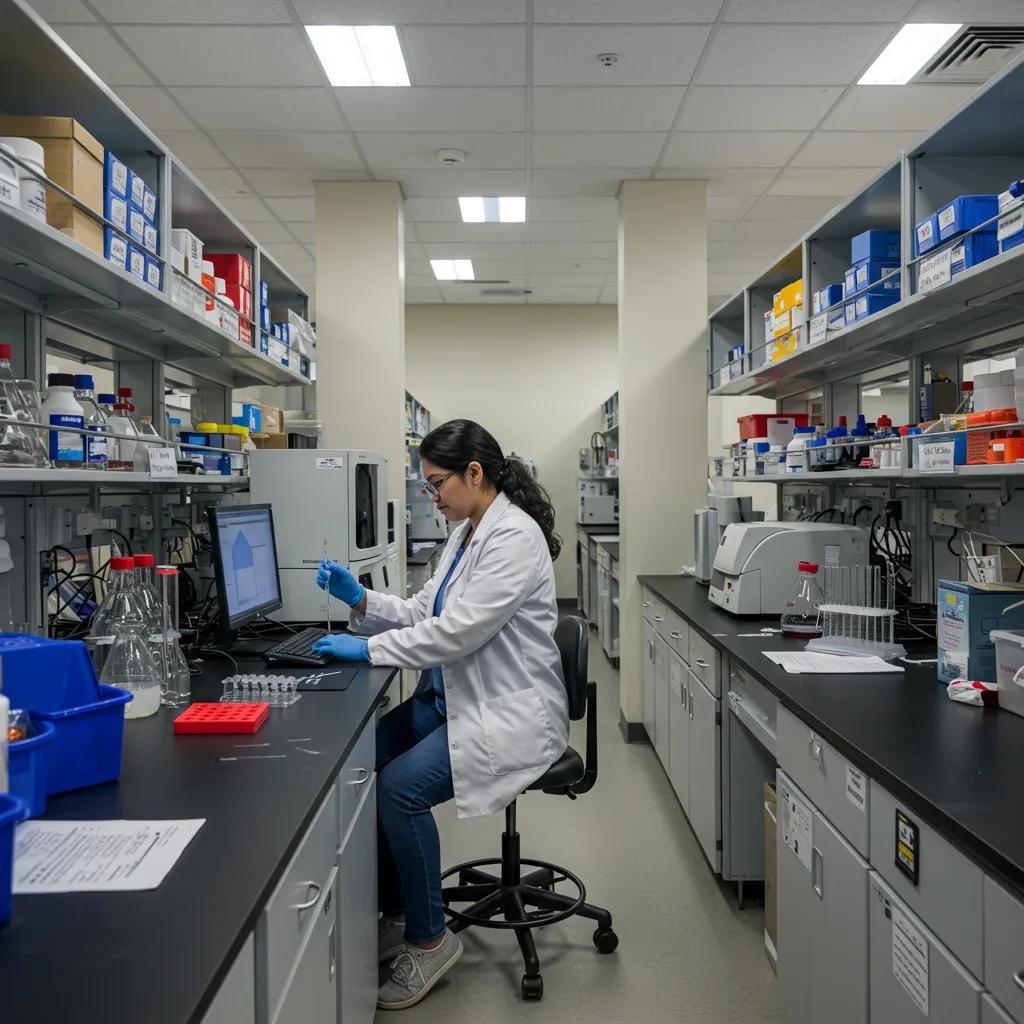
CMU offers a variety of graduate studies, including master’s, doctoral, and specialist programs, all designed to advance your research, leadership, and professional capabilities. A Master of Science in Biological Sciences, for example, provides opportunities for in-depth laboratory research, while a Doctor of Education focuses on innovative curriculum development. Specialist certificates, such as in Physician Assistant studies, offer focused training for critical healthcare roles. These programs equip graduate students with credentials recognized by industry accrediting bodies and leading research institutions.
The diverse range of graduate degree options ensures you can find a program that matches your academic ambitions and career goals.
How Are CMU’s Academic Departments Structured?
Central Michigan University organizes its academic offerings into seven distinct colleges and schools, each housing various departments dedicated to related fields of study. These departments work together within their schools to coordinate curriculum development, manage resources effectively, and pursue research initiatives. For instance, the College of Business Administration includes departments for Accounting, Management, and Marketing, all adhering to common professional accreditation standards. This structure encourages interdisciplinary projects and ensures efficient administrative operations.
Understanding this organizational framework helps you identify where programmatic collaborations and joint research opportunities emerge.
How Does Central Michigan University Support Graduate Students Academically?
CMU provides comprehensive support for graduate students, featuring top-tier programs, advanced research facilities, and environments conducive to scholarly productivity. Graduate students benefit from personalized mentorship by faculty actively involved in nationally recognized research. Dedicated centers also ensure access to cutting-edge laboratory and library resources. These supports help overcome challenges in completing theses and publishing research, paving the way for academic and career success.
Additionally, convenient housing options, both on and near campus, create stable living and study environments that further enhance research productivity.
What Are the Top-Ranked Graduate Programs at CMU?
Several CMU graduate programs have earned high rankings in national assessments, underscoring the university’s strong research reputation. Some of these highly regarded programs include:
| Program | U.S. News Ranking | Key Strength |
|---|---|---|
| Biological Sciences (MS) | Top 100 nationally | State-of-the-art research labs |
| Public Affairs (MPA) | Top 75 regionally | Hands-on policy analysis practicum |
| Statistics (MS) | Top 120 nationally | Partnerships in data analytics |
These rankings reflect CMU’s commitment to investing in research infrastructure and faculty expertise, which in turn attracts students and influences demand for housing in the local area.
Which Academic Resources and Facilities Support Graduate Research?
CMU offers a robust network of research centers, specialized libraries, and technology labs designed to propel graduate scholarship forward. Key resources available to students include:
- The Research and Economic Development Office, providing grant support
- The Graduate Student Center, offering workshops on writing and presentations
- Specialized laboratories for fields like molecular biology, radio astronomy, and data analytics
These facilities ensure that graduate research progresses smoothly from the initial proposal to final publication, making the search for housing near campus a logical next step.
How Do Graduate Students Access Housing and Study-Friendly Environments?
Graduate students can choose from on-campus apartments equipped with quiet study lounges or opt for off-campus rentals in neighborhoods known for their academic atmosphere. Off-campus options often include furnished units, private study spaces, and shared research areas managed by local landlords. To simplify the moving process, local real estate professionals offer specialized Relocation Services and handpicked listings conveniently located near CMU departments, ensuring academics find both comfort and easy campus access.
Selecting the right living situation is crucial for academic success and overall well-being.
What Are the Key Features of CMU’s Academic Departments and Colleges?
Central Michigan University’s academic departments and colleges are distinguished by their strengths in research, teaching, and community involvement. Each college offers specialized curricula that align with industry standards and accreditation requirements, fostering ethical leadership and innovation. Departments actively engage with external partners, such as healthcare systems and business organizations, to incorporate practical experiences into their coursework. This collaborative approach ensures graduates possess both strong theoretical knowledge and practical skills.
By understanding the unique features of each department, students and professionals can better align their academic pursuits with available resources and collaborative opportunities.
Which Colleges and Schools Constitute CMU’s Academic Structure?
- College of Business Administration
- College of Education and Human Services
- College of Health Professions
- College of Science and Engineering
- College of Humanities and Social Sciences
- College of Medicine
- Graduate College
How Do CMU Departments Collaborate on Interdisciplinary Programs?
- Healthcare Informatics, merging nursing and computer science expertise
- Sustainable Business, integrating environmental studies with business management principles
- STEM Education, uniting science departments with teacher preparation programs
These collaborative efforts lead to unique degree paths that address evolving workforce needs and highlight CMU’s dedication to innovative educational solutions.
Who Are Notable Faculty and Researchers at CMU?
CMU’s faculty includes nationally recognized scholars leading groundbreaking research in areas like statistical modeling, public health policy, and biomedical sciences. Their success in securing grants and publishing in peer-reviewed journals significantly contributes to CMU’s research standing. Graduate students greatly benefit from the mentorship provided by these faculty members, bridging academic exploration with community health and industry partnerships.
The leadership of outstanding faculty members enhances departmental reputation and boosts student achievement.
How Can Prospective Students Choose the Right CMU Degree Program?
Selecting the ideal degree program involves understanding program prerequisites, how it aligns with your career goals, and available funding options. Prospective students should carefully review admission criteria, accreditation status, and alumni career outcomes to assess program quality. For example, applicants aiming for healthcare careers might prioritize CMU’s accredited Physician Assistant program. A thorough comparison will help you make informed decisions that align your academic qualifications with your desired professional path.
Once you’ve considered these factors, it’s natural to look into specific admission requirements.
What Admission Requirements Apply to CMU Academic Programs?
- Minimum undergraduate GPA or GRE/GMAT scores
- Official transcripts and letters of recommendation
- A statement of purpose detailing your research or career aspirations
How Do CMU Degree Programs Align with Career Outcomes?
CMU degrees are directly linked to career paths through:
- Internship placements within local industries
- Professional licensure pathways for education and health professions
- Career services that connect graduates with regional employers
This strong alignment ensures that your degree is relevant and enhances your employment prospects in the Central Michigan job market.
What Financial Aid and Assistantship Opportunities Support CMU Students?
Financial support at CMU includes:
- Graduate research and teaching assistantships, often with tuition waivers
- Need-based scholarships for undergraduate students
- Federal loan programs and work-study opportunities
Access to these financial aid options can significantly reduce the cost of tuition and allow for a greater focus on your academic pursuits.
What Is Student Life Like in Relation to CMU Academics?

Student life at CMU is designed to complement classroom learning with engaging campus experiences, fostering well-rounded personal and academic development. Academic clubs, research symposiums, and peer mentoring programs are balanced with social events to create a fulfilling college experience. For instance, engineering students can join design competitions, while psychology majors can lead community outreach initiatives. This integration reinforces academic concepts through practical application and peer collaboration.
Understanding the campus resources available provides a clearer picture of the learning environment and helps with planning housing needs.
How Does CMU Integrate Academic and Campus Life?
Central Michigan University actively incorporates academic events, such as research fairs and guest lectures, into its campus calendar. Students can attend departmental showcases, join student-faculty research teams, and participate in living-learning communities tailored to their majors. This fusion of academic and daily campus life cultivates strong community bonds and improves student retention by immersing learners in discipline-specific networks.
What On-Campus Academic Facilities Enhance Learning?
CMU provides a variety of academic facilities to support student success, including:
- Park Library, featuring digital archives and 24-hour study areas
- The Charles V. Park Scholars Lab, dedicated to interdisciplinary research projects
- Specialized computer labs equipped for engineering simulations
These facilities empower students with access to essential resources around the clock, significantly boosting their study productivity.
How Do Academic Calendars and Events Affect Student Housing Needs?
Key academic dates, such as the start of semesters and major conferences, often lead to peak demand for housing. First-year students are typically housed on campus, while upper-class and graduate students begin their housing searches well before spring research symposia. Planning your accommodation with awareness of the academic schedule can streamline your relocation and prevent last-minute housing shortages.
How Does Living Near CMU Benefit Academic Professionals and Students?
Living within easy commuting distance of campus optimizes your daily schedule, promotes a healthy work-study balance, and strengthens community ties. Proximity to academic buildings reduces travel time, making it easier to attend evening seminars or lab sessions. Neighborhoods surrounding CMU also offer convenient study spots like cafés and libraries that complement the university’s facilities. These lifestyle advantages integrate seamlessly with relocation services designed to match your personal preferences with local housing options.
Exploring ideal neighborhoods can help you decide where to establish your roots for both scholarly and professional growth.
Which Mt. Pleasant Neighborhoods Are Ideal for CMU Faculty and Graduate Students?
The following neighborhoods offer a great combination of walkability, a quiet atmosphere, and close proximity to campus:
| Neighborhood | Distance to Campus | Key Feature |
|---|---|---|
| University District | 0.5 miles | Charming historic homes with peaceful study gardens |
| Preston Sweeney Corridor | 1 mile | Quiet, tree-lined streets with minimal traffic |
| Deerfield Center | 2 miles | Modern residences featuring private study lounges |
What Housing Options Support CMU Academic Communities?
Housing choices tailored for academics include:
- Single-family homes, perfect for faculty with families
- Graduate apartments offering furnished units and shared study spaces
- Shared student co-housing arrangements designed for peer collaboration
Each option provides a balance of privacy, community support, and convenient access to campus resources.
How Does Praedium Realty Assist with Relocation for CMU Academics?
Praedium Realty offers specialized Relocation Services to guide academic professionals through every stage of moving to Mount Pleasant. As two-time CMU alumni, the team brings deep local knowledge to curate property tours and negotiate personalized listings that fit your budget and lifestyle. Their dedicated support ensures a smooth transition, from providing advice on school districts to explaining market trends near the College of Business or College of Medicine.
Partnering with experienced advisors can speed up your settlement and help you integrate into the community more effectively.
What Are Current Trends and Future Developments in CMU Academics?
CMU’s academic landscape is continually evolving with the introduction of new programs, the establishment of interdisciplinary research hubs, and the enhancement of online learning platforms. Recent investments include state-of-the-art laboratories for data science and expanded online master’s programs in public health. These advancements attract more faculty and graduate students, driving increased demand for local housing and fostering innovative collaborations with industry partners.
Staying informed about these trends can guide both your academic planning and your real estate investments.
How Is CMU Expanding Its Academic Programs and Research Output?
Central Michigan University has launched new programs in artificial intelligence, sustainable agriculture, and global finance, each supported by dedicated research centers. These expansions are driven by market demands and leverage faculty expertise, leading to increased grant funding and publication rates. As the university solidifies its R2 research status, it attracts more graduate students and faculty, further boosting its academic profile.
This growth naturally increases interest in nearby properties and stimulates community development initiatives.
What Impact Do CMU’s Academic Achievements Have on Local Housing Demand?
As CMU’s academic reputation grows, so does the demand for housing from visiting scholars, graduate students, and new faculty members. The purchase and rental markets near campus typically experience lower vacancy rates and steady price increases, reflecting the university’s positive economic influence. Real estate investors often monitor these trends to take advantage of stable rental income and property value appreciation.
Understanding this connection allows prospective academics to approach their relocation with informed market awareness.
How Can Prospective Academics Stay Updated on CMU Academic Changes?
To stay current with CMU’s academic offerings and policy updates, you should consult:
- Official CMU news bulletins and academic calendars
- University research newsletters highlighting new centers and grants
- Local higher education publications announcing new program launches
Proactively following these sources ensures you’re always aware of emerging opportunities and campus developments.
In summary, Central Michigan University offers a comprehensive array of programs, resources, and integrated campus experiences designed to foster student success and professional growth. Understanding the structure of degree programs, departmental strengths, graduate support systems, and the interplay of student life will help you make informed decisions about your academic journey. Combining this knowledge with insights into local neighborhoods and expert relocation assistance ensures that faculty, students, and their families can find ideal homes near CMU. By aligning your academic aspirations with strategic planning in the Mount Pleasant housing market, you can achieve both your educational and lifestyle goals seamlessly.