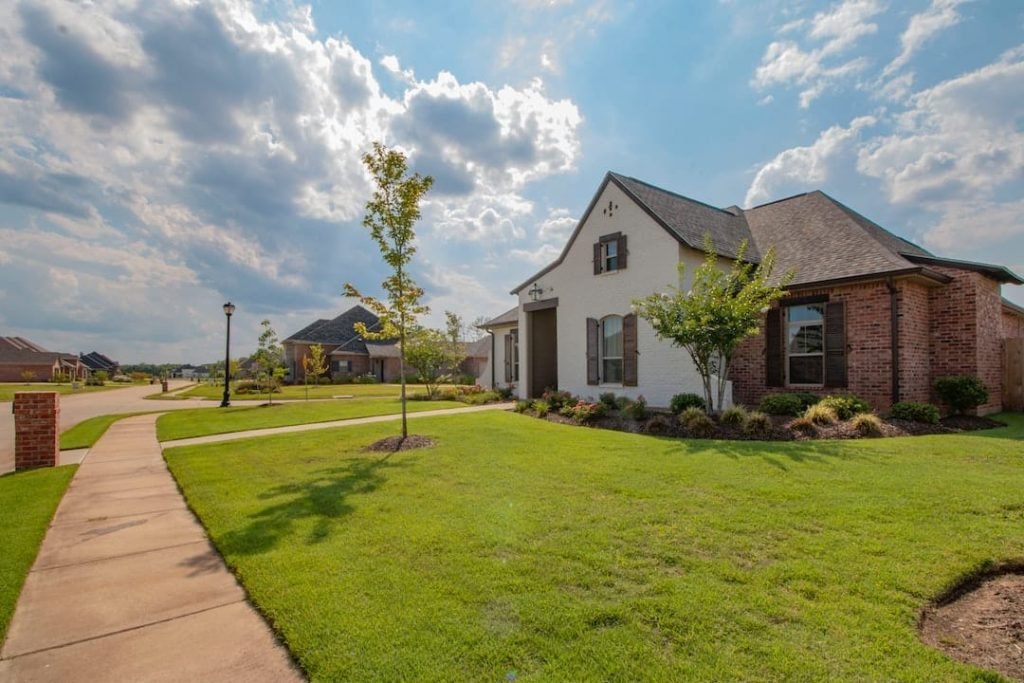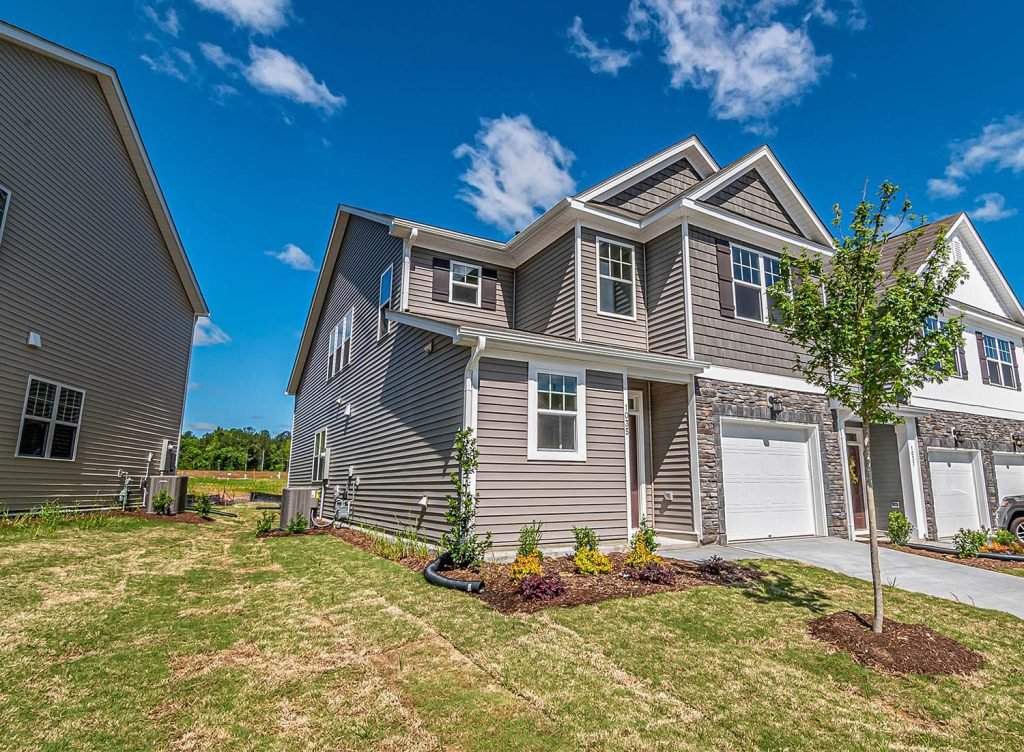
If you’re buying a home in Michigan, knowing the true condition of the roof can help you decide what the home is really worth and what you may be taking on after closing.
For buyers around Mount Pleasant and across Isabella County, a clear read on roof condition changes how an offer gets written, how the inspection contingency gets used, and how the first few years of ownership feel. This guide walks through what to look at, why Michigan weather matters so much, and when to bring in a specialist before signing. The same weather pressures apply whether you are looking in Shepherd, Alma, or anywhere across the wider Isabella County area, so the checks below travel well from town to town.
Why the Roof Deserves a Closer Look in Michigan
Roofing materials come with expected lifespans set under average conditions. Michigan is not average. The combination of lake-effect snow, repeated freezing and thawing, summer sun, and wind pushes shingles, flashing, and sealant harder than a milder climate would.
Three forces do most of the damage:
- Snow load. Heavy, wet snow adds weight and holds moisture against the roof surface for weeks at a time.
- Ice dams. When attic heat melts rooftop snow that then refreezes at the cold eaves, water backs up under the shingles and works its way into the deck.
- Freeze-thaw cycles. Water seeps into small cracks, freezes, expands, and widens the gap. Repeat that hundreds of times a winter and minor flaws become open paths for water.
The practical takeaway for a buyer is simple. A roof that might reach thirty years in a gentle climate often needs replacing at twenty to twenty-five years in Michigan. Age alone tells you less than age combined with how the roof has weathered.
How to Read a Roof’s Age and Remaining Life
Start with the paper trail. Ask the seller or the listing agent when the roof was last replaced, and look for a permit record with the county or roofing details in the seller’s disclosure. If the home was reroofed, there may be a receipt or a manufacturer warranty on file.
Then match what you learn against typical service life:
- Three-tab asphalt shingles usually last fifteen to twenty years.
- Architectural, or dimensional, shingles are rated for twenty-five to thirty years.
- Standing seam metal can run forty years or more.
- Flat or low-slope systems generally last twenty to thirty years.
In Michigan, plan on the lower end of each range. A roof approaching the back quarter of its expected life should be treated as a real cost to budget for, not a distant worry.
Warning Signs You Can Spot From the Ground
You do not need to climb a ladder to form a first impression. A slow walk around the property, ideally with a phone camera zoomed in, reveals more than most buyers expect.
Look for these signals:
- Shingles that are curling, cupping, or cracked, especially on the south and west slopes that take the most sun.
- Bald patches where the protective granules have worn away, often paired with grit collecting in the gutters.
- Missing or lifted shingles after a windy stretch.
- Dark streaks or green patches, which point to algae or moss holding moisture against the surface.
- Sagging or wavy rooflines, which suggest the decking underneath may be failing.
- Rust, cracked sealant, or gaps in the flashing around the chimney, vents, and skylights.
A single sign is worth noting. Several together usually mean the roof is near the end of its service life. For a fuller breakdown of what each symptom means and how our climate speeds them up, Northern Michigan roofing specialists Falcon Roofing outline nine signs a roof is near the end of its life that map closely to what buyers see on Central Michigan homes.
What a Standard Home Inspection Covers, and What It Does Not
A general home inspection is a valuable step, and it almost always includes a look at the roof. The important thing to understand is the limit of that look. Many inspectors assess the roof from the ground or from a ladder at the edge, and they report visible condition rather than remaining life.
A standard inspection typically flags obvious problems such as missing shingles, active leaks, or visible interior water stains. It usually will not include walking every slope, lifting shingles to check the underlayment, or evaluating attic ventilation in depth. Those gaps matter, because ventilation problems and hidden decking rot are exactly the issues that grow expensive in a Michigan winter.
This is why a roof deserves its own attention inside the broader inspection process. If you want a refresher on how the general inspection fits into a purchase, our guide to the importance of home inspections before buying covers the full picture.
How Roof Condition Should Shape Your Offer
Once you have a realistic read on the roof, that information belongs in your negotiation strategy rather than in the back of your mind.
There are a few common ways buyers use it:
- Price adjustment. If the roof will need replacing within a few years, the estimated cost becomes a legitimate point in pricing conversations.
- Seller credit. Rather than lowering the price, some sellers offer a credit at closing that a buyer can put toward a new roof.
- Repair before closing. For a roof with a specific, contained problem, a buyer may ask the seller to complete the repair before the sale is final.
- Walk-away clarity. Occasionally the roof reveals deeper structural concerns, and knowing that early protects you from a costly surprise.
Handling these points well takes local market awareness and steady negotiation. If you want to sharpen that skill more broadly, our breakdown on how to master home price negotiation in Michigan is a useful companion piece.
When to Bring In a Roofing Specialist
A general inspection answers many questions, but some roofs call for a specialist before you commit. Consider a dedicated roof inspection when any of the following is true:
- The roof is in the last quarter of its expected lifespan.
- The general inspector notes concerns but cannot access the full roof.
- You see multiple warning signs from the ground.
- The attic shows stains, soft decking, mold, or signs of poor ventilation.
- The home has a low-slope or flat section, which tends to fail earlier in this climate.
A roofing professional can walk the surface, check the underlayment and flashing, evaluate ventilation, and give you a straight answer on remaining life and likely cost. That report turns a vague worry into a specific number you can act on, whether that means adjusting your offer, planning a future project, or moving forward with confidence.
Essential Insights for Michigan Roof Evaluations
- The roof is a major-cost system that buyers routinely underestimate, and Michigan weather makes that mistake more expensive.
- Snow load, ice dams, and freeze-thaw cycles shorten roof life, so a Michigan roof often needs replacing years earlier than the material’s rated lifespan.
- Start with the roof’s age and paper trail, then confirm with what you can see from the ground.
- A standard home inspection reviews visible roof condition but rarely evaluates remaining life, ventilation, or hidden decking.
- Use roof condition as a negotiation tool through price adjustments, seller credits, or pre-closing repairs.
- Bring in a roofing specialist when the roof is aging, hard to access, or showing several warning signs at once.
Talk Through the Roof Before You Write an Offer
A roof can shift the whole shape of a deal, and it helps to have someone local reading it with you. Robin at Praedium Realty will walk the property alongside you, point out the roof and other big-ticket systems worth a closer look, and help you turn what you find into a stronger offer. When you are ready to buy around Mount Pleasant — or in nearby communities like Midland, Farwell, and Weidman — take a look at our current featured homes, or get in touch with Praedium Realty to start the conversation.